
Safety protocols for deep trenching
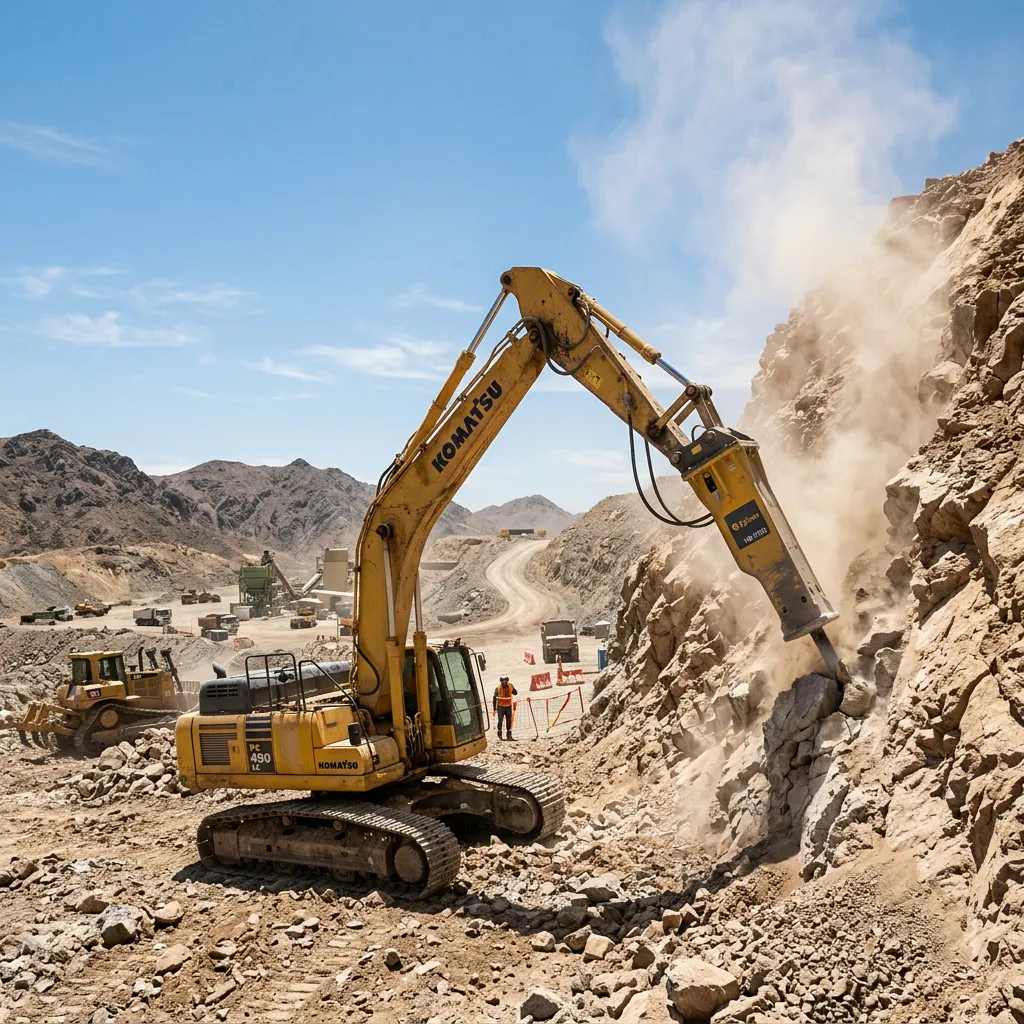
Excavating trenches deeper than 1.5 meters in the clayey loam of Coimbatore is a high-risk operation. Without proper engineering controls, soil walls can collapse in seconds, trapping workers under tons of earth. At Sri Vari Constructions, we treat trench safety not as a regulatory box to tick, but as a critical life-preservation protocol.
1 · MS Trench Boxes & Structural Timber Trench Shoring
Implementing robust standards for ms trench boxes & structural timber trench shoring requires aligning our field crews with standardized geotechnical and engineering procedures.
Excavations deeper than 1.5 meters present significant soil cave-in hazards, especially in the variable soil profiles of Coimbatore. To protect workers in deep trenches, Sri Vari Constructions enforces rigid shoring and protective system protocols. We utilize structural MS trench boxes, timber shoring, and sheet piling depending on soil classification (Type A, B, or C). Spoil piles of excavated earth are strictly placed at least 1.5 meters from the trench edge to prevent slides. Daily inspections are conducted by a designated safety officer to check for tension cracks, water seepage, or bulging walls. Safe access is maintained using heavy-duty aluminum ladders placed every 15 meters along the excavation, extending at least 1 meter above the surface to ensure secure egress. Workers are equipped with safety harnesses, helmets, and high-visibility jackets. We also conduct gas testing in deep trenches where organic matter might generate toxic gases, ensuring a safe working environment. These safety measures are supported by regular toolbox talks and emergency drills, ensuring that our field crew is prepared to handle any excavation hazard proactively.
Trench shoring shields (trench boxes) are engineered to protect workers in excavations subject to soil movement. Unlike active shoring, which applies lateral pressure to trench walls, a trench shield provides a protective barrier. The shield is placed inside the excavation, and workers operate within its steel walls. The space between the shield and the excavation walls is backfilled to prevent soil movement from shifting the shield. As excavation progresses, the shield is pulled forward using an excavator, providing continuous protection during utility pipeline installation. We verify trench box capacity against soil lateral pressure calculations, ensuring the steel walls can resist potential soil collapses. This protective system allows our crews to install utility lines safely and efficiently in unstable or deep trench conditions.
"Excavations deeper than 1."
2 · Soil Excavation Lip Clearances & Spoil Pile Inspections
Under our Coimbatore PWD quality guidelines, executing soil excavation lip clearances & spoil pile inspections demands rigorous verification of all field metrics and material properties.
Excavations in dense urban areas require identifying existing underground utilities before digging. Underground utility lines include water mains, sewer pipes, electrical conduits, and fiber optic cables. We review municipal utility plans and conduct trial pits (hand digging) to locate utilities. Where utilities are present, we excavate carefully using hand tools rather than heavy machinery to avoid service disruptions and safety hazards. Exposed utility lines are supported using structural beams and slings during excavation, ensuring they remain protected until backfilling is complete. We also coordinate excavations with local utility companies, ensuring their representatives are present during critical crossings. This utility identification and protection protocol prevents damage to municipal services, ensuring public safety and avoiding costly utility utility disruptions during civil works.
Deploying and managing dewatering pump logistics is critical during heavy storm events. We maintain a fleet of diesel-powered self-priming centrifugal pumps and electric submersible pumps ranging from 5 HP to 25 HP. During emergency dewatering, pumps must operate continuously; we establish dedicated on-site fuel stations and deploy maintenance technicians on 12-hour shifts to monitor engine oil, clean intake strainers, and repair suction hoses. Water discharged from excavations often contains suspended silt and sand; to prevent local municipal drainage blockages, we pass the pumped water through temporary silt settlement basins before discharging it into natural channels. We also coordinate with local municipal authorities to ensure discharge paths have adequate capacity, avoiding flooding of adjacent areas. This systematic pump management prevents structural damage to open excavations and ensures safe working conditions during severe weather.
3 · Active Wellpoint Dewatering and Suction Manifold Systems
To achieve maximum structural stability during the active wellpoint dewatering and suction manifold systems phase, we enforce strict compliance controls across our regional sites.
Enforcing safety protocols on busy construction sites requires ongoing worker training. We conduct mandatory 15-minute toolbox talks every morning for all site personnel. These talks cover specific safety topics, such as correct use of Personal Protective Equipment (PPE), trench safety, safe lifting techniques, and crane operations. Site supervisors conduct daily safety walks to identify hazards like loose electrical cables, missing handrails, or unsafe ladders. By engaging workers directly in safety discussions and enforcing a zero-tolerance policy for safety violations, we foster a proactive safety culture. We also document safety audits and report near-misses, utilizing safety logs to improve site safety rules. This worker training and safety tracking system protects our field crew, achieving a zero-accident safety record across our construction projects.
Heavy construction machinery uptime is critical to meeting tight project timelines. Our fleet, including excavators, motor graders, soil compactors, and transit mixers, undergoes rigorous preventive maintenance. Soil and dust from excavation sites accelerate wear on track chains, pins, and rollers; we enforce daily undercarriage washdowns. Hydraulic systems are checked for pressure drops and water ingress, which can damage hydraulic pumps. Engine oil, filters, and air intake systems are serviced at designated running hour intervals (typically every 250 hours). By maintaining comprehensive service logs and stocking critical spares at our Coimbatore yard, we minimize on-site breakdowns and maintain high operational efficiency. We also train our operators to perform daily pre-start checks, monitoring coolant levels, hydraulic hoses, and warning indicators. This proactive maintenance culture ensures machinery availability and enhances site safety by preventing equipment failures during critical operations.
| Quality Verification Step | Audit Standard | Tolerance Benchmark / Compliance Target |
|---|---|---|
| Material Receipt Inspections | IS 383 Sieve Analysis | Zero organic contaminations; moisture grading within curves |
| Field Density Compactions | IS 2720 Part 28 Sand replacement | Minimum 98% field dry density versus lab standards |
| Concrete Cube Compressive Checks | IS 516 Compressive strength | Target 28-day crushing load exceeded on all cast cubes |
4 · Ladders, Egress safety, and Emergency Exit Auditing
A major element of managing ladders, egress safety, and emergency exit auditing successfully lies in coordinating logistics, material testing, and machinery runtime.
Maintaining comprehensive quality records is a core requirement for PWD and NHAI project compliance. Our project offices maintain registers for material receipts, concrete pours, compression test results, and level checks. Material delivery tickets, mill certificates, and third-party laboratory reports are filed systematically. These records are reviewed during inspections by departmental engineers, verifying that all materials and construction processes meet project specifications before billing approvals are granted. We also compile as-built surveys, quality logs, and contract documentation, preparing detailed project handbooks for municipal and state agencies. This rigorous drafting procedure supports our Class-I standing, ensuring quality compliance across all public works.
PWD projects are subject to strict quality control audits by departmental engineers and third-party testing agencies. Quality audits involve inspecting raw material test certificates, reviewing batch plant logs, and conducting in-situ tests. We maintain a mobile testing laboratory equipped to perform grain-size distribution, liquid limit, plastic limit, and compaction testing directly on-site. All test results are logged in a quality register signed by our QC engineer and the department representative. Maintaining this detailed quality record is a prerequisite for billing approvals, demonstrating our commitment to delivering infrastructure that meets PWD specifications. We also coordinate third-party inspections with independent testing labs, validating our field and laboratory test results. This quality assurance framework ensures that all construction works meet contractual quality standards, facilitating timely payment approvals and project sign-offs.
5 · Daily Toolbox Safety Talks & Zero-Incident PPE Enforcements
Ultimately, our site supervisors inspect every phase of daily toolbox safety talks & zero-incident ppe enforcements to prevent structural settling and secure client sign-off.
Striking shallow groundwater during basement or deep trench excavation destabilizes soil walls and prevents concrete foundation placement. To dewater these zones, we deploy wellpoint dewatering systems. This involves driving a series of vertical wellpoints around the perimeter of the excavation, connected to a common horizontal suction manifold under vacuum. High-capacity vacuum pumps draw down the local water table, creating a dry zone for excavation. After reaching the design foundation depth, a lean concrete mud-slab (mud mat) is cast over the soil bed. This seals the foundation, prevents groundwater from carrying away cement paste, and provides a stable working platform for reinforcing steel placement and structural concrete pouring. We also monitor discharge water quality, passing it through filtration basins to remove silt before releasing it, preventing environmental contamination. The dewatering system is run continuously until the concrete foundation is cast and cured, ensuring structural stability and preventing foundation buoyancy issues.
The monsoon seasons in the Kongu region require specialized site-management protocols to keep active construction sites open and safe. Rainwater runoff can quickly saturate subgrades, liquefy open trenches, and wash away unconsolidated gravel bases. Our Standard Operating Procedure (SOP) mandates installing perimeter drainage ditches and soil berms to divert external surface water away from excavation zones. High-capacity diesel trash pumps are staged at low points to handle immediate dewatering. Sensitive materials, such as cement bags and structural steel, are stored in elevated, weather-proof sheds. Heavily trafficked haul roads are stabilized using coarse stone aggregates and geotextile membranes to prevent dump trucks and excavators from bogging down in deep clay mud, ensuring continuous site operations. We also conduct daily safety audits of trench walls, soil stockpiles, and electrical setups to mitigate hazards related to heavy rains. Our operators are trained to secure heavy machinery on firm, elevated ground during downpours, preventing equipment damage and maintaining readiness to resume operations immediately after the rain breaks.
6 · Emergency Excavation Drills & Trench Wall Safety Training
Furthermore, daily reporting and quality logging are mandated to maintain complete project visibility and contract compliance.
Excavations deeper than 1.5 meters present significant soil cave-in hazards, especially in the variable soil profiles of Coimbatore. To protect workers in deep trenches, Sri Vari Constructions enforces rigid shoring and protective system protocols. We utilize structural MS trench boxes, timber shoring, and sheet piling depending on soil classification (Type A, B, or C). Spoil piles of excavated earth are strictly placed at least 1.5 meters from the trench edge to prevent slides. Daily inspections are conducted by a designated safety officer to check for tension cracks, water seepage, or bulging walls. Safe access is maintained using heavy-duty aluminum ladders placed every 15 meters along the excavation, extending at least 1 meter above the surface to ensure secure egress. Workers are equipped with safety harnesses, helmets, and high-visibility jackets. We also conduct gas testing in deep trenches where organic matter might generate toxic gases, ensuring a safe working environment. These safety measures are supported by regular toolbox talks and emergency drills, ensuring that our field crew is prepared to handle any excavation hazard proactively.
Enforcing safety protocols on busy construction sites requires ongoing worker training. We conduct mandatory 15-minute toolbox talks every morning for all site personnel. These talks cover specific safety topics, such as correct use of Personal Protective Equipment (PPE), trench safety, safe lifting techniques, and crane operations. Site supervisors conduct daily safety walks to identify hazards like loose electrical cables, missing handrails, or unsafe ladders. By engaging workers directly in safety discussions and enforcing a zero-tolerance policy for safety violations, we foster a proactive safety culture. We also document safety audits and report near-misses, utilizing safety logs to improve site safety rules. This worker training and safety tracking system protects our field crew, achieving a zero-accident safety record across our construction projects.
Operational Summary & Takeaways
This concludes our comprehensive analysis on safety protocols for deep trenching. At Sri Vari Constructions, we understand that delivering high-performance infrastructure requires a combination of advanced engineering, rigorous quality assurance, and deep local geological knowledge. As a licensed Class-I Civil Contractor serving Coimbatore, Tiruppur, Erode, and the wider Kongu region, we adhere strictly to the latest Ministry of Road Transport and Highways (MoRTH) standards, Tamil Nadu Public Works Department (PWD) specifications, and NHAI quality guidelines. By maintaining a privately owned fleet of over 85 machinery units—including hydraulic excavators, motor graders, and vibratory compactors—and employing experienced site engineers, we ensure that every project we undertake is built to last. Our commitment to daily reporting, strict safety protocols, and robust engineering standards has established us as a trusted partner for public works and private industrial site developments across Tamil Nadu.