
Cost of Building Demolition in Coimbatore: What Affects Pricing
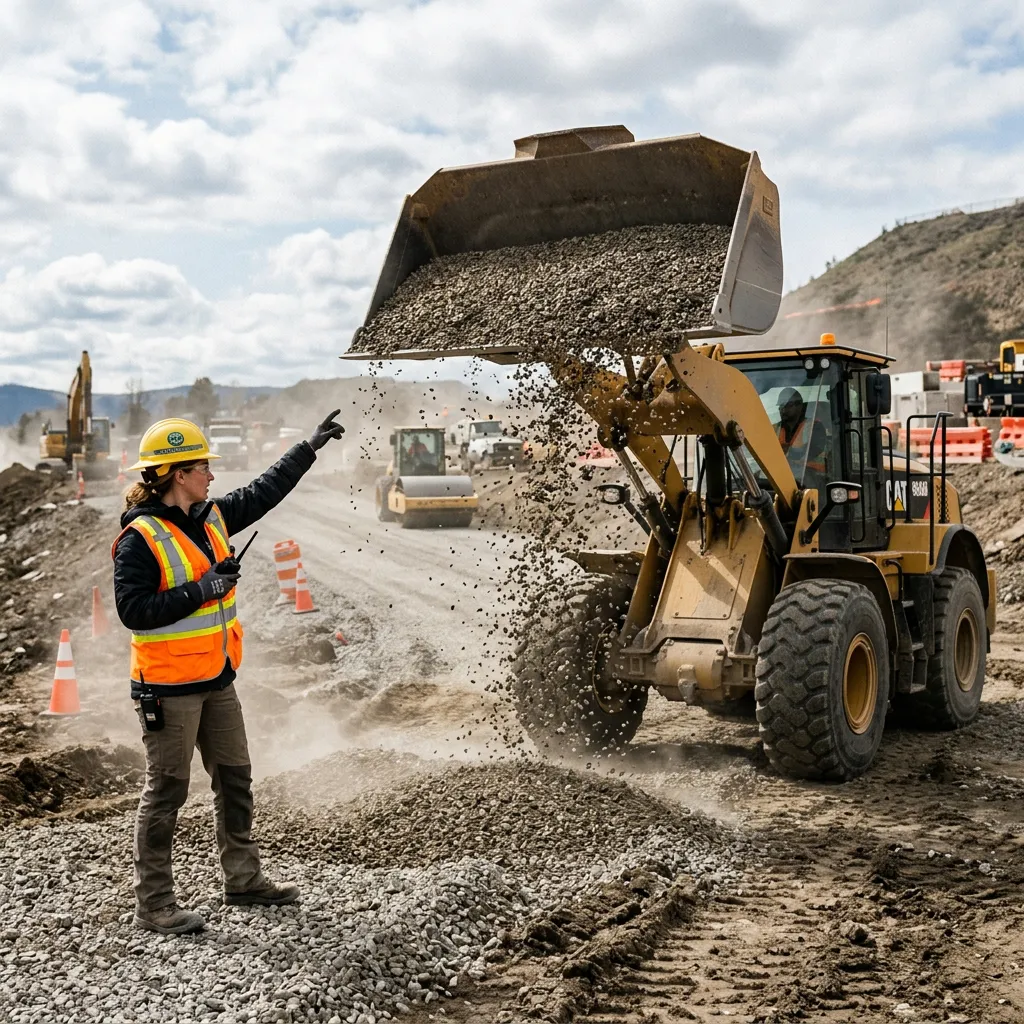
There is no single fixed rate for the cost of building demolition in Coimbatore, because the price is set by five variables that change on every plot: structure type and height, site access, hazardous material content, debris volume and haulage distance, and the permits the job requires. A single-storey load-bearing house on a wide street with clean masonry demolishes far cheaper per square foot than a multi-storey RCC-framed building wedged between two live neighbours in Town Hall or Gandhipuram. We survey every site before quoting so the number reflects what our crew and machinery will actually face, not a generic city-wide average.
1 · Structure Type and Height: RCC Frame vs Load-Bearing Cost Drivers
A load-bearing masonry structure, common in Coimbatore's older residential pockets, comes down largely through mechanical breaking and manual dismantling once the roof slab is cracked open — brick walls carry no embedded reinforcement, so a rock breaker attachment on a mini excavator clears them quickly. An RCC-framed building of the same footprint takes substantially longer because every column and beam is tied together with TMT reinforcement that must be cut with hydraulic shears or gas-cut after the concrete cover is broken away, and the frame has to be brought down in a sequenced order so it doesn't collapse unpredictably. Height compounds this: beyond G+2, we need a long-reach excavator or a crawler crane fitted with a demolition grapple, and working platforms have to be planned floor by floor rather than pulling the whole structure from ground level.
Foundation type matters too, and it's often overlooked in early estimates. A shallow strip or isolated footing foundation is comparatively quick to break and remove, but a raft foundation or piled foundation under an old industrial shed involves far more concrete mass and, in the case of piles, breaking below ground level to a specified depth. We factor in whether the client wants the foundation fully removed for a fresh build or simply capped and left, since that decision alone can shift the scope of excavation work required after the superstructure is gone.
2 · Access and Site Congestion: Why Dense Urban Plots Cost More
Access is frequently the single biggest swing factor in a Coimbatore demolition quote, more than the structure itself. A standalone building on a wide arterial road lets us bring in a hydraulic excavator directly, load debris straight into waiting tippers, and clear the site in a matter of days. A building in a congested lane in RS Puram, Ram Nagar or the older parts of Town Hall, hemmed in by adjoining walls and overhead service lines, forces us to switch to smaller machinery, break manually in sections closest to neighbouring structures, and stage debris before it can be loaded, which adds labour hours and machine-idle time to the schedule.
Shared-wall situations add a further layer of cost because we cannot simply pull a party wall down — it has to be cut cleanly at the property line, often with the adjoining owner's structural engineer present, and temporary shoring may be needed to protect the neighbouring building during the work. We also account for whether utility disconnection (EB service, water, sewer) has been completed before we mobilise; if it hasn't, that becomes a coordination delay that affects the overall programme and, indirectly, the cost of keeping a crew and machine on standby.
"Access is frequently the single biggest swing factor in a Coimbatore demolition quote, more than the structure itself."
3 · Hazardous Material Removal (Asbestos, Old Wiring) Pricing Impact
Older industrial sheds and even some 1980s-90s residential outbuildings around Coimbatore still carry asbestos cement roofing sheets, and these cannot simply be broken and thrown into a mixed debris pile — they need to be identified during our site survey, handled separately by trained personnel with appropriate PPE, wetted down to suppress fibre release, and packed for disposal in line with hazardous waste norms rather than mixed construction and demolition waste. This separate handling stream adds real time and cost that a generic per-square-foot estimate will always miss if the survey doesn't specifically check for it.
Old electrical wiring, transformer oil in ageing industrial installations, and buried fuel or chemical storage tanks in former factory sites are the other hazardous items we screen for before quoting. Each of these requires a different removal and disposal pathway, and some — particularly old transformer equipment — may need a specialist subcontractor rather than our own demolition crew. We flag these items explicitly in the survey report so the client sees exactly why a building with legacy industrial use costs more to clear than a straightforward residential structure of similar size.
4 · Debris Volume, Haulage Distance and TNPCB Tippage Fees
Once a structure is down, the job isn't finished until the debris is off the plot, and this haulage stage is where volume and distance drive real cost. A multi-storey RCC building generates a far larger tonnage of broken concrete, brick, and steel scrap than a single-storey load-bearing house, and every tipper load has to travel to an approved construction and demolition waste processing or dumping facility recognised under Tamil Nadu Pollution Control Board (TNPCB) norms — not just the nearest open plot. The farther that facility is from the site, the more trips our tipper fleet needs to make per day, which is a direct multiplier on transport cost.
We also separate reusable and recyclable material — structural steel scrap, TMT reinforcement, and in some cases broken concrete for crushing into aggregate — from material that must go to a waste facility, because scrap steel recovery can partially offset the client's overall cost while non-recoverable debris adds to the tippage fee burden. Getting this segregation right on-site, rather than loading everything into one mixed pile, is part of what a competent demolition contractor should be doing as standard practice rather than charging extra for later.
5 · Getting an Accurate Quote: What a Site Survey Should Cover
Because so many variables affect the final number, we never quote a demolition job over the phone or from photographs alone. Our site survey covers the structure's construction type and approximate age, floor-by-floor height and RCC versus load-bearing composition, foundation type, road and gate access width for machinery, presence of shared walls or close neighbouring structures, utility disconnection status, and a specific check for asbestos sheeting, old wiring, and any legacy industrial contamination. We also confirm whether the client needs full excavation of the foundation afterward or just superstructure clearance, since that changes both the scope and the machinery mix required.
The output of that survey is a written quote that itemises machinery days, labour, hazardous material handling if applicable, and estimated haulage trips, so the client can see exactly what's driving the number rather than accepting a flat rate that may not hold once work starts. If your project also needs the plot regraded or prepared for a new foundation afterward, that's typically scoped as a related site development phase rather than bundled blindly into the demolition price. Readers weighing demolition against other clearance work on old industrial buildings may also find our note on demolition of old textile mill structures in Coimbatore useful for comparison.
Operational Summary & Takeaways
The cost of building demolition in Coimbatore is never a single per-square-foot figure — it moves with structure type and height, site access, hazardous material content, debris volume, and haulage distance to an approved disposal facility. As a licensed PWD Class-I and First Class NHAI road contractor operating across Coimbatore, Tiruppur, Erode, Pollachi, and the wider Kongu belt, we survey every demolition site in person before issuing a quote, so the price reflects the real conditions our crew and machinery will meet on the ground. If you're planning a demolition and want an accurate, itemised estimate rather than a guess, get in touch with our team to schedule a free site survey.